



Introduction
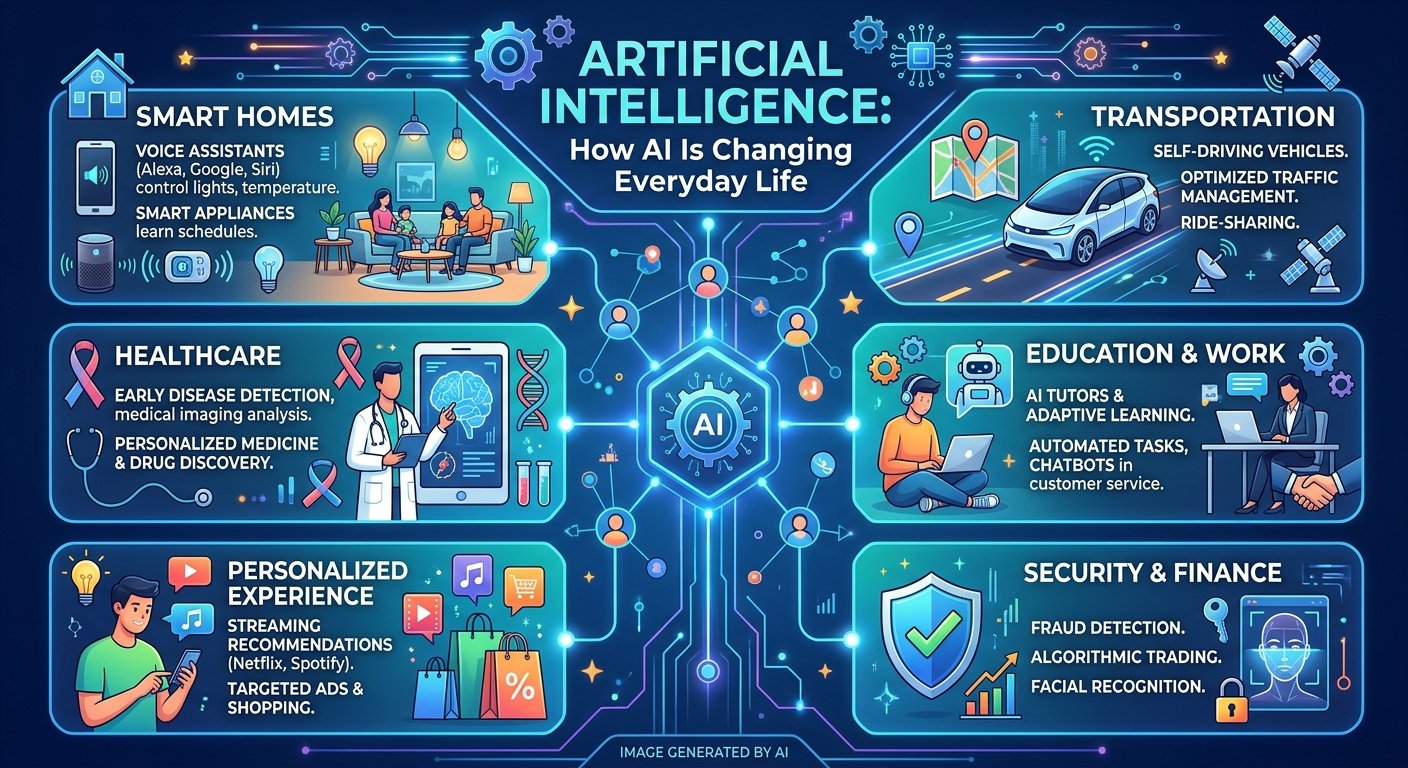
Artificial Intelligence (AI) has become one of the most influential technologies in the modern world. From smartphones and smart home devices to online shopping and healthcare, AI is transforming the way people live, work, learn, and communicate. What once seemed like a futuristic concept is now an essential part of everyday life.
Artificial intelligence refers to the ability of computer systems and machines to perform tasks that normally require human intelligence. These tasks include learning, problem-solving, recognizing patterns, understanding language, and making decisions. As technology continues to advance, AI is becoming smarter, faster, and more accessible.
Today, millions of people interact with artificial intelligence without even realizing it. Whether receiving personalized recommendations, using voice assistants, or searching for information online, AI is making daily activities more convenient and efficient.
In this article, we will explore how artificial intelligence is changing everyday life, its major applications, benefits, challenges, and its potential impact on the future.
1. Artificial Intelligence in Smartphones and Daily Communication
Smartphones are among the most common examples of artificial intelligence in everyday life. Many features that people use daily are powered by AI technology.
Voice assistants can understand spoken commands, answer questions, set reminders, provide weather updates, and help users manage their schedules. AI-powered keyboards also suggest words, correct spelling, and improve typing experiences.
Artificial intelligence is also transforming digital communication through:
-
Smart email suggestions and automatic replies.
-
Real-time language translation.
-
Facial recognition and photo organization.
-
Personalized content recommendations.
-
Voice-to-text and speech recognition.
These features save time and make communication easier, especially in a world where people depend heavily on digital devices.
2. AI Is Transforming Education and Learning

Education is another major area where artificial intelligence is creating positive changes. Traditional learning methods are gradually combining with digital tools to provide more interactive and personalized educational experiences.
AI-powered educational platforms can help students understand difficult subjects, practice important concepts, and receive immediate feedback. They can also help teachers prepare lessons, organize educational materials, and identify areas where students may need additional support.
Some important applications of AI in education include:
-
Personalized Learning: AI tools can recommend learning activities based on individual progress.
-
Virtual Learning Assistants: Students can receive explanations and guidance whenever needed.
-
Automated Assessment: Certain digital systems can help evaluate assignments and quizzes.
-
Language Learning: AI applications help students improve vocabulary, pronunciation, and grammar.
-
Teacher Support: Educators can use AI to create worksheets, lesson plans, and classroom activities.
Artificial intelligence cannot replace the importance of human teachers, but it can make teaching and learning more effective.
3. Artificial Intelligence in Healthcare
Healthcare is experiencing significant improvements through artificial intelligence. Medical professionals are increasingly using AI-powered technologies to support diagnosis, analyze medical information, and improve patient care.
AI systems can examine medical images, recognize certain patterns, and assist healthcare professionals in identifying potential health concerns. These technologies can also help hospitals organize patient records and manage appointments.
Important applications of AI in healthcare include:
-
Medical Diagnosis: AI can assist doctors in analyzing medical images and identifying possible conditions.
-
Patient Monitoring: Smart devices can track certain health measurements and provide useful information.
-
Drug Research: AI can support researchers in studying potential treatments and medicines.
-
Hospital Management: Intelligent systems can help organize records and improve administrative processes.
-
Virtual Health Assistance: AI-powered applications can provide general health information and appointment support.
Although AI offers many opportunities in healthcare, medical decisions should always involve qualified healthcare professionals.
4. AI Is Changing the Business World
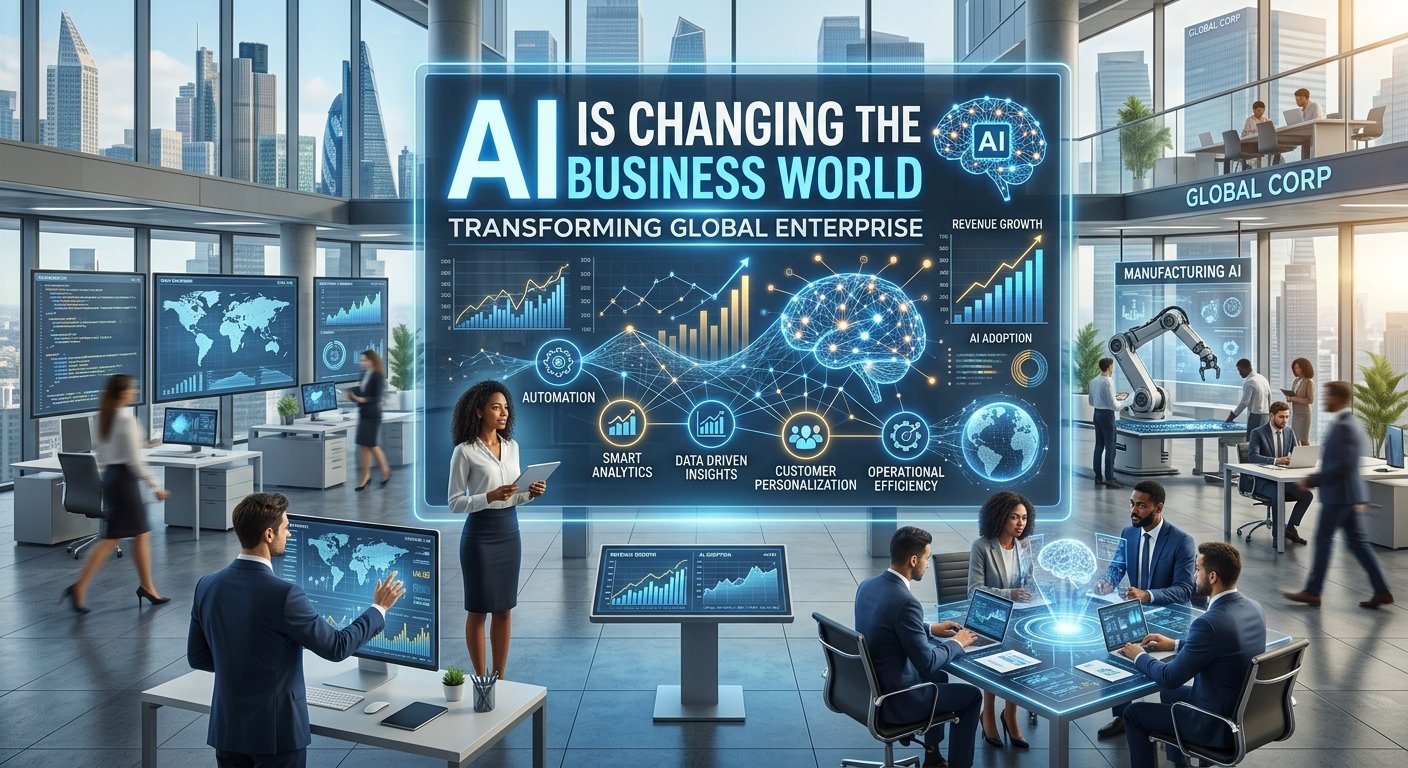
Artificial intelligence is changing how businesses operate, communicate with customers, and make decisions. Companies of different sizes are adopting AI tools to improve productivity, reduce repetitive work, and understand customer needs.
Businesses can use artificial intelligence to analyze market trends, manage customer relationships, and improve their marketing strategies.
Some major business applications include:
-
Customer Service: AI chatbots can answer common customer questions.
-
Marketing: AI helps businesses understand customer interests and create targeted campaigns.
-
Data Analysis: Intelligent systems can identify patterns in large amounts of information.
-
Content Creation: AI tools can assist with writing, designing, and generating ideas.
-
Business Automation: Repetitive administrative tasks can be completed more efficiently.
Small businesses can also benefit from AI by using affordable digital tools to improve their online presence and reach more customers.
5. Smart Homes and Artificial Intelligence
Artificial intelligence is making homes smarter and more convenient. Smart home technology allows people to control different household devices through smartphones, voice commands, and automated systems.
For example, smart lighting systems can adjust brightness, smart thermostats can manage indoor temperatures, and intelligent security systems can send notifications about unusual activity.
Common examples of AI-powered smart home technology include:
-
Smart speakers and voice assistants.
-
Automated lighting systems.
-
Intelligent security cameras.
-
Smart temperature controls.
-
Connected home appliances.
These innovations help people manage household activities more conveniently. However, users should also consider data privacy and device security when connecting smart products to the internet.
6. Artificial Intelligence in Transportation
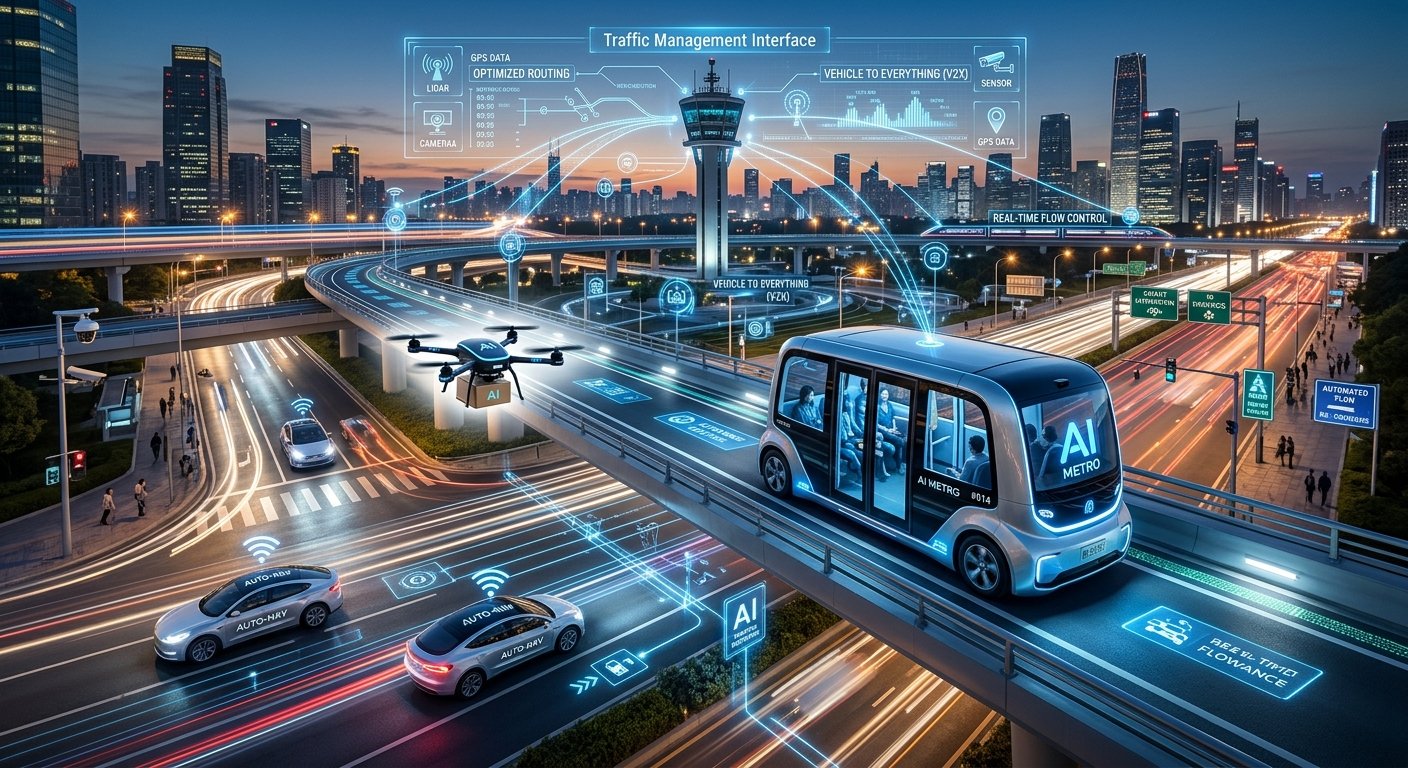
Transportation is another industry benefiting from artificial intelligence. AI-powered navigation applications help drivers find suitable routes, estimate travel times, and avoid traffic congestion.
Modern vehicles also use intelligent systems to support parking assistance, detect nearby obstacles, and provide driver safety alerts.
AI is helping transportation through:
-
Smart traffic management systems.
-
Navigation and route recommendations.
-
Driver assistance technologies.
-
Transportation planning.
-
Predictive vehicle maintenance.
These developments are helping create more efficient transportation systems and improving the driving experience.
7. AI in Online Shopping and Entertainment
Online shopping and digital entertainment have become more personalized because of artificial intelligence. Many websites and applications use AI to understand customer interests and recommend relevant products, videos, movies, and music.
For example, when someone searches for a particular product, online shopping platforms may suggest similar items based on browsing activity and preferences.
AI also supports entertainment platforms by:
-
Recommending movies and television shows.
-
Suggesting music based on listening habits.
-
Improving online search experiences.
-
Providing personalized advertisements.
-
Supporting digital gaming experiences.
These features make online platforms more engaging and convenient for users.
8. Major Benefits of Artificial Intelligence in Everyday Life
Artificial intelligence offers several benefits that are improving daily activities across different industries.
Here are some of the most important advantages:
| Benefits | How AI Helps |
|---|---|
| Time Saving | Automates repetitive tasks and speeds up processes. |
| Better Efficiency | Helps complete tasks with greater consistency. |
| Personalization | Provides recommendations based on user preferences. |
| Accessibility | Supports translation, speech recognition, and assistive tools. |
| Data Analysis | Identifies patterns and useful information. |
| Convenience | Makes everyday digital activities easier. |
One of the biggest advantages of AI is its ability to handle large amounts of information quickly. This allows individuals and organizations to focus more on creativity, problem-solving, and important decisions.
9. Challenges and Disadvantages of Artificial Intelligence
Despite its many benefits, artificial intelligence also creates challenges that should not be ignored. As AI becomes more common, individuals and organizations must understand its limitations and use it responsibly.
Some major concerns include:
1. Data Privacy: AI applications may process personal information, making data protection essential.
2. Job Market Changes: Automation can change traditional job responsibilities and increase the demand for new technical skills.
3. Incorrect Information: AI systems can sometimes generate inaccurate or misleading information.
4. Cybersecurity Risks: Poorly protected AI systems may create additional security concerns.
5. Overdependence on Technology: Excessive reliance on AI can reduce opportunities to develop independent problem-solving skills.
The best approach is to use artificial intelligence as a supportive tool while maintaining human judgment, responsibility, and creativity.
10. The Future of Artificial Intelligence
The future of artificial intelligence is full of possibilities. As technology continues to develop, AI is expected to become more integrated into everyday activities, professional environments, and public services.
Future AI innovations may improve personalized education, support scientific research, enhance communication, and make digital services more accessible.
Businesses may increasingly use AI to improve decision-making, while individuals may benefit from smarter personal assistants and more advanced digital tools.
However, responsible development will remain important. Governments, businesses, educators, and technology developers must work together to establish appropriate guidelines that protect privacy, promote fairness, and encourage safe innovation.
Learning digital skills and understanding how AI works will also become increasingly valuable in the coming years.
Conclusion
Artificial intelligence is no longer just a technology of the future; it is already changing everyday life in countless ways. From smartphones and education to healthcare, transportation, business, and entertainment, AI is making many activities faster, smarter, and more convenient.
Although challenges such as data privacy, inaccurate information, and changing job requirements need attention, the benefits of artificial intelligence offer significant opportunities for individuals and society.
The key is to use AI wisely and responsibly. Rather than viewing it as a replacement for human intelligence, we should consider it a powerful tool that supports human creativity, knowledge, and decision-making.
As artificial intelligence continues to evolve, it will play an increasingly important role in shaping a smarter, more connected, and technology-driven world.