



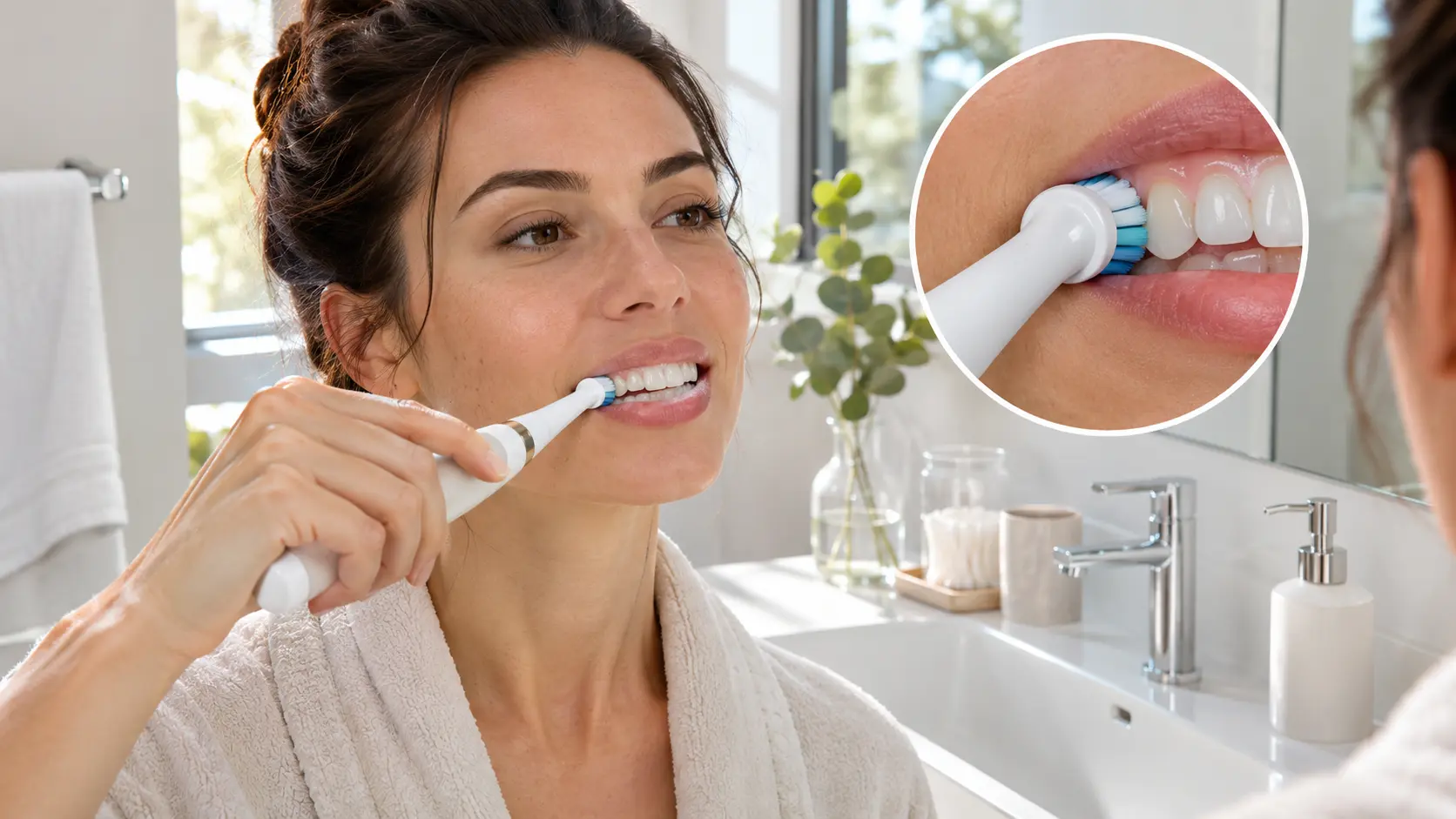
Brushing your teeth twice a day is one of the most important habits for maintaining good oral health. However, using an electric toothbrush does not automatically mean your teeth are being cleaned correctly. Many people apply too much pressure, move the brush too quickly, or miss important areas near the gumline. Learning the best electric tooth brushing technique can help improve cleaning and protect your teeth and gums.
Electric toothbrushes use powered movements to remove plaque from tooth surfaces. Depending on the model, the brush head may rotate, oscillate, or vibrate at high speed. These movements can support effective cleaning, but proper positioning and consistent brushing remain essential.
This guide explains how to use an electric toothbrush correctly, including brushing angles, pressure, timing, and gumline cleaning. You will also learn about different electric toothbrush types, common brushing mistakes, and practical ways to improve your daily oral hygiene routine.
What Is the Best Electric Tooth Brushing Technique?
The best electric tooth brushing technique involves placing the brush head gently against your teeth and allowing the powered movements to perform most of the cleaning. Unlike a manual toothbrush, many electric models do not require vigorous back-and-forth scrubbing. The appropriate movement depends on the brush head’s design and manufacturer instructions.
For a round oscillating-rotating brush head, position the bristles against one tooth at a time, including the area near the gumline. Hold the brush briefly before guiding it toward the next tooth. This method allows the powered brush head to clean individual surfaces without applying unnecessary force.
For a sonic toothbrush with an elongated head, position the bristles near the gumline and move slowly across the teeth according to the manufacturer’s directions. Use gentle pressure and avoid aggressive scrubbing. Regardless of the brush type, cover the outer, inner, and chewing surfaces of every tooth.
How Does an Electric Toothbrush Work?
An electric toothbrush uses a motor to create controlled movements in the brush head. These movements help disturb and remove plaque, a sticky film of bacteria that naturally forms on teeth. Regular plaque removal is important because buildup can contribute to tooth decay and gum inflammation.
Oscillating-rotating toothbrushes commonly use small, round brush heads that move back and forth through a controlled rotational pattern. Sonic toothbrushes typically use elongated heads that vibrate rapidly. Both designs can support effective plaque removal when used correctly and consistently.
Some electric toothbrushes include pressure sensors, timers, and different cleaning modes. These features may help users avoid excessive pressure and brush for an appropriate length of time. However, no feature replaces the need to clean all tooth surfaces and maintain regular dental appointments.
Step 1: Choose the Right Electric Toothbrush
Choosing a suitable electric toothbrush begins with considering brush head design, comfort, and ease of use. Both sonic and oscillating-rotating models can provide effective cleaning when used appropriately. A toothbrush that feels comfortable and is easy to handle may encourage more consistent brushing habits.
Soft bristles are generally recommended because firm brushing can irritate gums and contribute to tooth surface wear. A smaller brush head may also make it easier to reach back teeth and crowded areas. When comparing models, consider whether replacement heads are readily available and suitable for your needs.
Additional features such as a two-minute timer or pressure sensor can be useful, particularly for people who tend to rush or brush too forcefully. Expensive models are not always necessary for maintaining good oral hygiene. The most important factors are correct technique, regular use, and appropriate toothpaste.
Step 2: Apply the Correct Amount of Toothpaste
Using fluoride toothpaste is an important part of effective toothbrushing because fluoride helps strengthen tooth enamel and prevent cavities. Place the appropriate amount on the electric brush head before beginning. The recommended quantity depends on age and individual dental guidance.
Adults and older children can generally use a pea-sized amount of fluoride toothpaste. Younger children may require a smaller amount and supervision according to their age. Children under three are commonly advised to use only a rice-grain-sized smear of fluoride toothpaste, while children aged three to six generally use a pea-sized amount.
Avoid assuming that using more toothpaste automatically improves cleaning. The brush head and brushing technique are responsible for removing plaque from tooth surfaces. Appropriate fluoride toothpaste supports enamel protection, while excessive toothpaste may create unnecessary foam and make brushing less comfortable.
Step 3: Position the Brush at the Correct Angle
Correct brush positioning helps the bristles clean the area where the teeth meet the gums. For many electric toothbrushes with elongated heads, placing the bristles at approximately a 45-degree angle toward the gumline is a useful approach. However, different brush designs may have specific positioning instructions.
With a round oscillating-rotating brush head, position the bristles so they comfortably contact the tooth surface and gumline area. Follow the tooth’s shape as you move around the mouth. There is usually no need to create a strong manual brushing motion because the powered head provides the cleaning movement.
Keep the brush handle relaxed and maintain gentle contact with the teeth. Tilting the brush excessively or pushing the bristles into the gums can make cleaning uncomfortable. The goal is to reach relevant tooth surfaces effectively without creating unnecessary pressure on soft tissues.
Step 4: Brush Each Tooth Slowly and Gently
One of the most important electric toothbrush techniques is allowing the powered brush head enough time to clean the tooth surfaces. Moving too quickly can cause certain areas to be missed. A slow, controlled approach helps ensure that each section receives appropriate attention.
With a round brush head, guide the brush from one tooth to the next rather than scrubbing across several teeth at once. With a sonic model, use gentle, gradual movements according to the manufacturer’s instructions. Avoid pressing firmly or attempting to increase cleaning speed through aggressive movements.
Pay particular attention to back teeth and areas where food and plaque commonly accumulate. These locations can be more difficult to reach because of their position inside the mouth. Taking time to follow the tooth surfaces helps create a more consistent cleaning routine.
Step 5: Clean the Outer Surfaces of Your Teeth
Begin by brushing the outer surfaces of your teeth, which face your lips and cheeks. Position the brush head gently and move systematically from one section of the mouth to another. Following a consistent order makes it easier to remember which areas have already been cleaned.
Start with the upper teeth and continue across the front and back sections. Then repeat the process along the lower teeth. Keep the brush head positioned appropriately near the gumline while allowing the powered movements to remove plaque.
Avoid focusing only on the front teeth because they are the most visible when smiling. Back teeth are equally important and may have surfaces that are harder to access. A systematic brushing pattern helps reduce the likelihood of leaving plaque behind in less noticeable areas.
Step 6: Brush the Inner Tooth Surfaces
The inner surfaces of teeth are sometimes overlooked because they are less visible and can be more difficult to reach. These surfaces face the tongue or palate and require the same attention as the outer areas. Plaque can accumulate anywhere on the teeth, making complete coverage important.
Position the electric toothbrush carefully along the inner surfaces of the upper and lower teeth. For the front teeth, you may need to hold an elongated brush head more vertically to reach the area comfortably. Follow your toothbrush manufacturer’s guidance for the appropriate movement.
Move slowly and avoid forcing the brush into uncomfortable positions. The lower front teeth deserve particular attention because tartar commonly accumulates near the salivary gland openings in this region. Consistent cleaning helps remove plaque before it hardens, although existing tartar generally requires professional dental removal.
Step 7: Clean the Chewing Surfaces
The chewing surfaces of back teeth contain grooves and small depressions where food particles and plaque can accumulate. These surfaces are important to clean because they are commonly affected by tooth decay. Position the electric brush head so the bristles make comfortable contact with the chewing areas.
Allow the powered movements to clean the grooves while moving gradually from one tooth to the next. Avoid pressing excessively, even when the tooth surface feels uneven. A gentle approach is sufficient when the brush head is positioned correctly and allowed to operate as intended.
Remember to clean both the upper and lower chewing surfaces, including the teeth toward the back of the mouth. A consistent brushing pattern reduces the chances of missing these areas. Dental sealants may also be recommended for some people to help protect vulnerable grooves from cavities.
How Long Should You Brush With an Electric Toothbrush?
Most people should brush their teeth for approximately two minutes, twice a day, using fluoride toothpaste. This provides time to cover the outer, inner, and chewing surfaces of the teeth. Brushing for only a few seconds is unlikely to provide enough attention to every area.
Many electric toothbrushes contain built-in timers that help users maintain the recommended brushing duration. Some models provide a signal every 30 seconds, allowing the mouth to be divided into four sections. This feature can encourage more balanced cleaning without requiring users to watch a clock.
The two-minute recommendation is a general guide rather than a reason to rush through difficult areas. People with braces, dental appliances, or specific oral health needs may require additional attention. A dentist or dental hygienist can provide personalized guidance when ordinary brushing routines are not sufficient.
How Much Pressure Should You Use?
Electric toothbrushes generally work best with gentle pressure rather than forceful scrubbing. Applying excessive pressure can irritate gum tissues and contribute to tooth wear over time. The powered brush head is designed to perform much of the cleaning movement without requiring additional force.
A pressure sensor can help identify when the brush is being pressed too firmly against the teeth. Depending on the model, it may produce a light, sound, or change in movement. These features are particularly useful for people who have developed a habit of brushing aggressively.
If your gums feel sore after brushing, review your technique and check the condition of the brush head. However, bleeding gums can also indicate inflammation or other dental problems. Persistent bleeding, pain, or sensitivity should be evaluated by a dental professional rather than managed only by changing brushing pressure.
Sonic vs. Oscillating Electric Toothbrush Technique
Sonic and oscillating-rotating toothbrushes use different powered movements, so their recommended techniques may vary. Sonic toothbrushes typically have elongated heads that vibrate rapidly. Users generally guide them slowly along the teeth and gumline without using strong manual scrubbing motions.
Oscillating-rotating toothbrushes usually feature smaller round heads designed to clean individual teeth. The brush is positioned against each tooth surface before moving to the next area. This technique allows the powered rotation to perform the cleaning action while the user controls placement.
Both types can support good oral hygiene when used properly. Research findings comparing performance vary according to the models and outcomes studied. Rather than focusing only on the technology, choose a brush that allows you to clean thoroughly and comfortably every day.
How to Brush Along the Gumline Properly
The gumline is an important area because plaque can accumulate where the teeth meet the gums. If plaque remains undisturbed, it can contribute to gingivitis, an early form of gum disease. Proper brushing helps clean this region while protecting the surrounding tissues.
Position the brush head so the bristles gently reach the edge of the gumline. Use the appropriate angle and movement recommended for your electric toothbrush. Avoid pushing the bristles forcefully beneath the gums or applying excessive pressure in an attempt to remove more plaque.
Gum health also depends on cleaning between the teeth because toothbrush bristles cannot reliably reach every interdental surface. Floss or suitable interdental brushes may be recommended depending on the spaces between your teeth. Combining effective brushing with appropriate interdental cleaning supports a more complete oral hygiene routine.
Common Electric Toothbrushing Mistakes
One common mistake is using an electric toothbrush exactly like a manual brush by scrubbing forcefully back and forth. This can create unnecessary pressure without improving cleaning. Different electric brush heads have specific movement patterns, making it important to follow the manufacturer’s recommended technique.
Another mistake is brushing only the visible front surfaces while neglecting the inner sides and back teeth. Plaque can accumulate throughout the mouth, including areas that are difficult to see. Using a consistent sequence helps ensure that every tooth receives adequate attention.
Using worn brush heads is another problem because damaged or spread-out bristles may clean less effectively. Many dental recommendations suggest replacing brush heads approximately every three to four months or sooner when the bristles become visibly worn. Consistent replacement supports effective brushing and helps maintain the toothbrush’s intended performance.
Should You Brush Your Tongue With an Electric Toothbrush?
Cleaning the tongue can help remove some debris and bacteria that contribute to unpleasant breath. However, the tongue’s surface is different from tooth enamel and may be sensitive to aggressive brushing. Gentle cleaning is generally more appropriate than applying strong pressure.
Some electric toothbrushes include tongue-cleaning settings or accessories, while others are designed primarily for teeth. Follow the manufacturer’s instructions before using a powered brush head on the tongue. A dedicated tongue cleaner or a soft manual toothbrush may provide a comfortable alternative.
Persistent bad breath is not always caused by the tongue alone. Dental decay, gum disease, dry mouth, and certain medical conditions can contribute. If unpleasant breath continues despite good oral hygiene, a dentist can help identify whether additional treatment or evaluation is necessary.
Is an Electric Toothbrush Better Than a Manual Toothbrush?
Both electric and manual toothbrushes can clean teeth effectively when used with proper technique and fluoride toothpaste. Electric toothbrushes may provide additional convenience because powered movements reduce the amount of manual brushing required. Some people also find timers and pressure sensors helpful for maintaining consistent habits.
Research suggests that certain powered toothbrushes can provide modest improvements in plaque removal and gum inflammation compared with manual brushing. However, these benefits depend on the brush type, user technique, and consistency. A poorly used electric toothbrush may still leave plaque behind.
The best toothbrush is one that you can use correctly and regularly without discomfort. People with limited hand dexterity may find powered brushes easier to manage. A dental professional can recommend an appropriate option based on individual oral health needs.
How to Clean and Maintain an Electric Toothbrush
Proper maintenance helps keep an electric toothbrush hygienic and functioning correctly. After brushing, rinse the brush head thoroughly to remove toothpaste and debris. Follow the manufacturer’s instructions for cleaning the handle and other components, particularly around removable brush head connections.
Store the toothbrush in a clean location where the bristles can dry between uses. Avoid keeping a damp brush head permanently enclosed in a sealed container unless the manufacturer recommends that storage method. Allowing air circulation can help reduce unnecessary moisture buildup.
Replace worn brush heads and inspect the toothbrush for damage or unusual operating behavior. Charging procedures vary by model, so follow the manufacturer’s recommendations rather than assuming every device has identical battery requirements. Regular maintenance helps preserve cleaning performance and extends the useful life of the equipment.
Best Daily Oral Hygiene Routine With an Electric Toothbrush
A good daily routine begins with brushing twice a day using fluoride toothpaste and an appropriate electric toothbrush technique. Spend about two minutes cleaning all tooth surfaces, including the gumline and back teeth. Brushing before bedtime is especially important because plaque and food debris should not remain undisturbed overnight.
Clean between your teeth daily using floss or another suitable interdental cleaning method. The choice depends on tooth spacing, dental appliances, and personal needs. Toothbrushing alone cannot reliably clean every surface between neighboring teeth, making interdental care an important part of oral hygiene.
After brushing, spit out excess toothpaste rather than immediately rinsing thoroughly with water, unless your dental professional advises otherwise. This can help fluoride remain in contact with the teeth for longer. Regular dental checkups and professional cleaning also support healthy teeth and gums.
Conclusion
The best electric tooth brushing technique involves gentle pressure, correct brush positioning, and consistent cleaning of every tooth surface. Allowing the powered brush head to perform its intended movements can help remove plaque without unnecessary scrubbing. Using fluoride toothpaste and brushing for approximately two minutes twice daily provides a strong foundation for good oral hygiene.
Different electric toothbrushes require slightly different techniques depending on their brush head design. Round oscillating-rotating heads are generally guided from tooth to tooth, while sonic brushes are moved gradually along the dental surfaces. Paying attention to the gumline, back teeth, and inner surfaces helps ensure more complete cleaning.
Healthy teeth and gums also depend on regular interdental cleaning, appropriate brush head replacement, and professional dental care. An electric toothbrush is a useful tool, but its benefits depend on how consistently and correctly it is used. Developing a comfortable daily routine can help maintain oral health and reduce avoidable dental problems.
Frequently Asked Questions (FAQs)
What is the correct way to brush with an electric toothbrush?
Place the brush head gently against the teeth and gumline, allowing the powered movements to clean the surfaces. Move slowly and follow the manufacturer’s technique for your specific brush design.
Should you move an electric toothbrush back and forth?
Generally, avoid vigorous back-and-forth scrubbing. Oscillating-rotating brushes are guided from tooth to tooth, while sonic brushes are usually moved gently along the teeth according to manufacturer instructions.
How long should you brush with an electric toothbrush?
Brush for approximately two minutes, twice daily, using fluoride toothpaste. Divide the mouth into sections to ensure that the outer, inner, and chewing surfaces receive appropriate attention.
Can brushing too hard with an electric toothbrush damage gums?
Yes, excessive pressure may irritate gum tissues and contribute to tooth wear. Use gentle contact, consider a toothbrush with a pressure sensor, and seek dental advice for persistent discomfort.
Do dentists recommend electric toothbrushes?
Many dental professionals recommend electric toothbrushes because they can support effective plaque removal and encourage consistent brushing habits. However, manual toothbrushes can also work well when used correctly.